The Impact of Renewable Hydrogen on the Power System
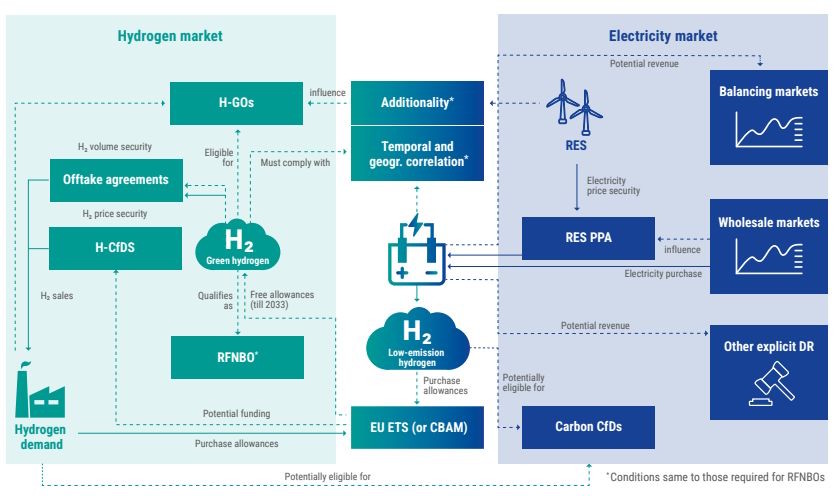
Figure: Electrolyser at the intersection of the hydrogen and electricity markets, the associated revenue streams, and possible support mechanisms
Source: Market Design and Regulatory Framework for Viable and Flexible Hydrogen Production Report, June 2025
New ENTSO-E Report: The Impact of Renewable Hydrogen on the Power System
This comprehensive report offers valuable insights into the growing hydrogen market and its interdependence with the electricity system.
✅ Key Takeaways:
📌 System Integration is Key
Electrolysers and hydrogen facilities should be strategically planned, located, and operated in coordination with the power system to maximise system benefits and consumer value.
📌 Location Matters
Whether near renewable energy sources, hydrogen demand centers, or both — the siting and grid connection (on-grid/off-grid) of electrolysers are crucial for infrastructure optimisation, especially as natural gas is phased out.
📌 Smart Regulation & Market Design
Policies defining renewable hydrogen must consider not just the hydrogen sector, but also incentivise investments that support the power system and accelerate decarbonisation.
📌 Flexibility Potential
Electrolysers could provide valuable short-duration flexibility via implicit and explicit demand response, especially as the market matures.
📌 Contributing to Resource Adequacy
Power-to-Hydrogen (P2H2) supports the grid through demand response. Hydrogen-to-Power (H2P) can offer carbon-neutral backup via repurposed gas turbines and capacity mechanisms.
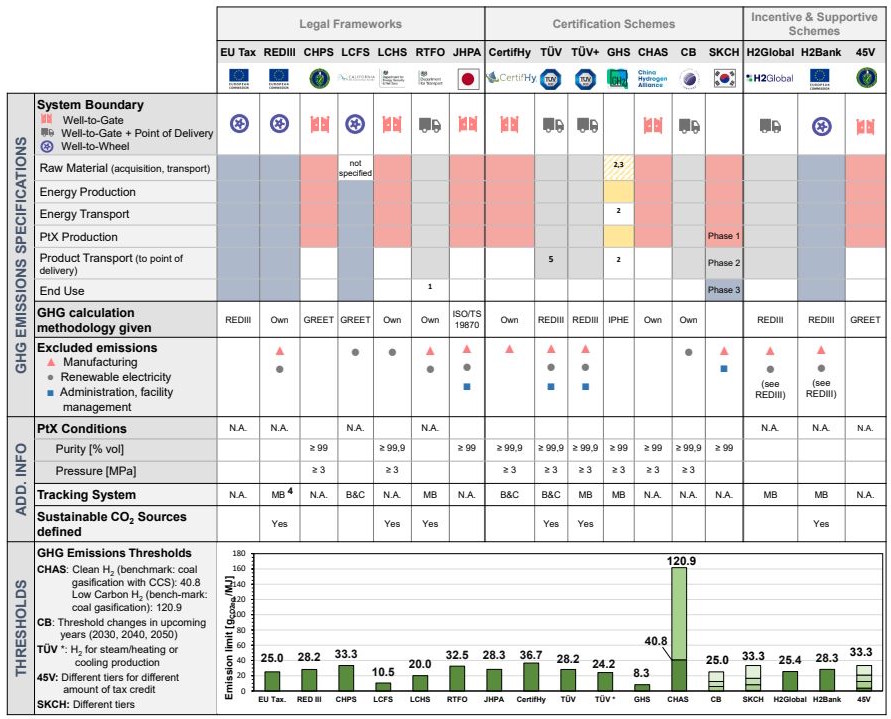
📌 Certification Trade-offs
Hydrogen regulation (e.g., GOs and RFNBO criteria) must find a balance between strict decarbonisation goals and power system needs. To strike a balance, GOs and RFNBO requirements should be designed with flexibility in mind.
➡️ Source: Report on Impact of Renewable Hydrogen on the Power System