Energy Regulation Solutions offers specialized regulatory consulting at the intersection of innovation, climate goals, and market readiness. We support developers, investors, and policymakers in navigating complex regulatory landscapes for hydrogen, CO₂, and Power-to-X technologies in the EU, Germany, and the US
On 6 August, the German Federal Cabinet approved the Draft Law to amend the Carbon Dioxide Storage Act. The law is intended to enable the use of CCS (carbon capture and storage) and CCU (carbon capture and utilization), as well as the transport and storage of CO2.
The Draft Law was developed over the past few months by the Federal Ministry for Economic Affairs and Energy and coordinated with the states, associations, and other ministries.
✅ Key Takeaways:
📌 With this draft law, Germany joins the ranks of countries that aim to use CCS technologies as part of achieving their climate targets.
📌 The law establishes a legal framework for the construction of CO2 pipelines and storage facilities, while ensuring compliance with safety and environmental regulations.
📌 The main provisions include:
Application of the law to the licensing and operation of CO2 pipelines, the licensing and operation of permanent underground storage facilities, as well as the investigation, monitoring, decommissioning, and aftercare of all facilities and equipment related to CO2 storage and transport.
Authorization of CCS facilities for commercial use on an industrial scale on the continental shelf and in the exclusive economic zone.
Exclusion of marine protected areas and coastal waters from CO2 storage.
An opt-in option for federal states to allow onshore storage on the German mainland.
Recognition of the overriding public interest for the construction, operation, and significant modification of CO2 pipelines and storage facilities.
Exclusion of emissions from coal-fired power generation from access to the CO2 pipeline network.
Introduction of regulations to accelerate procedures and approvals for the development of CO2 infrastructure.
📌 An important initiative from the coalition agreement and the emergency program.
📌 This Draft Law will provide relief for all end customers.
📌 The relief to all end customers will be in the amount of approximately €3.4 billion:
with a levy of €2.89 per megawatt hour, the relief for a four-person household will amount to approximately €30 to €60 per year.
the relief on gas prices will also contribute to a reduction in electricity costs.
✅ Draft Law to Accelerate the Expansion of Geothermal Plants, Heat Pumps, and Heat Storage Facilities
📄 Draft Law: Entwurf eines Gesetzes zur Beschleunigung des Ausbaus von Geothermieanlagen, Wärmepumpen und Wärmespeichern sowie zur Änderung weiterer rechtlicher Rahmenbedingungen für den klimaneutralen Ausbau der Wärmeversorgung
📌 Planning approval procedures for heat pipelines and the construction of large heat pumps will be accelerated.
📌 The approval process for heat storage facilities will be clearly regulated, thereby eliminating uncertainty in practice.
📌 In the future, authorities will be able to require geothermal companies to provide proof of coverage for mining damage as well.
✅ Law Implementing the EU Renewable Energy Directive in the Areas of Offshore Wind Energy and Electricity Grids
📌 Introduction of acceleration areas for offshore wind energy and infrastructure areas for transmission grids, distribution grids, and offshore connection lines.
📌 Streamlined approval procedures are to apply to these areas.
📌 The draft transposes the requirements of the RED III in the areas of offshore wind energy and electricity grids into national law.
✅ Act Amending Energy Industry Law to Strengthen Consumer Protection in the Energy Sector and Amending Other Energy Law Provisions (EnWG Amendment 2025)
📌 The Draft Law further increases the level of protection for consumers in the energy sector through obligations of electricity suppliers to household customers to hedge against price risks.
📌 The new regulations on “energy sharing” will enable consumers to actively participate in the energy market and the energy transition.
📌 The Draft Law provides for a further acceleration of the smart meter rollout.
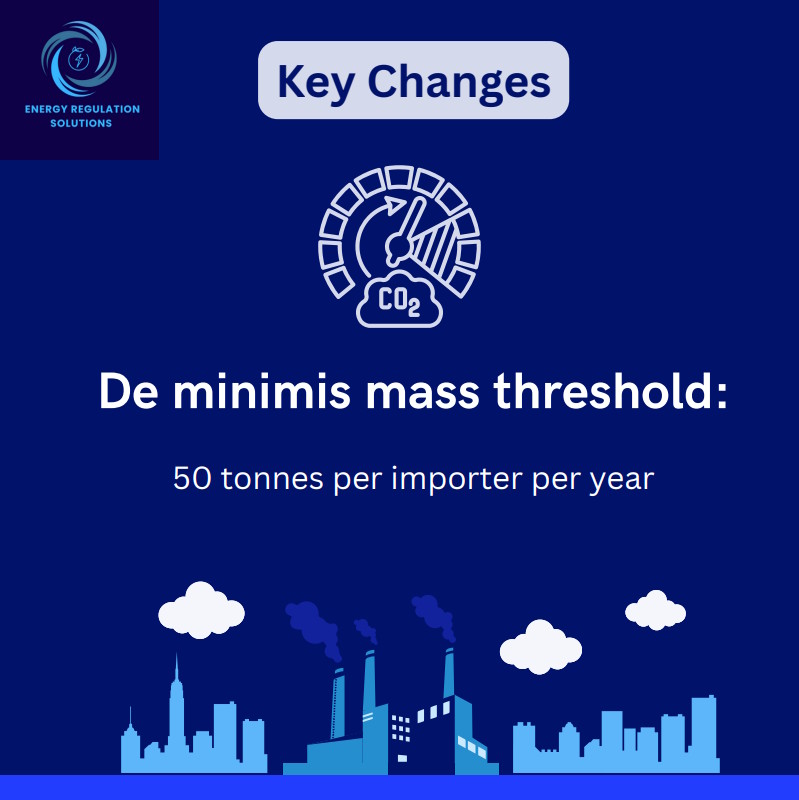
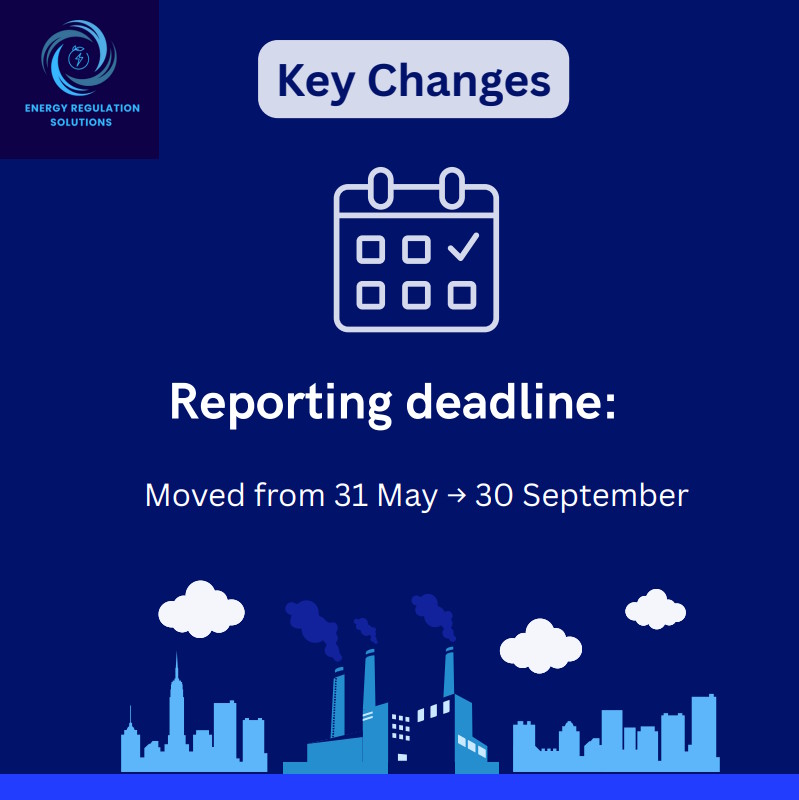
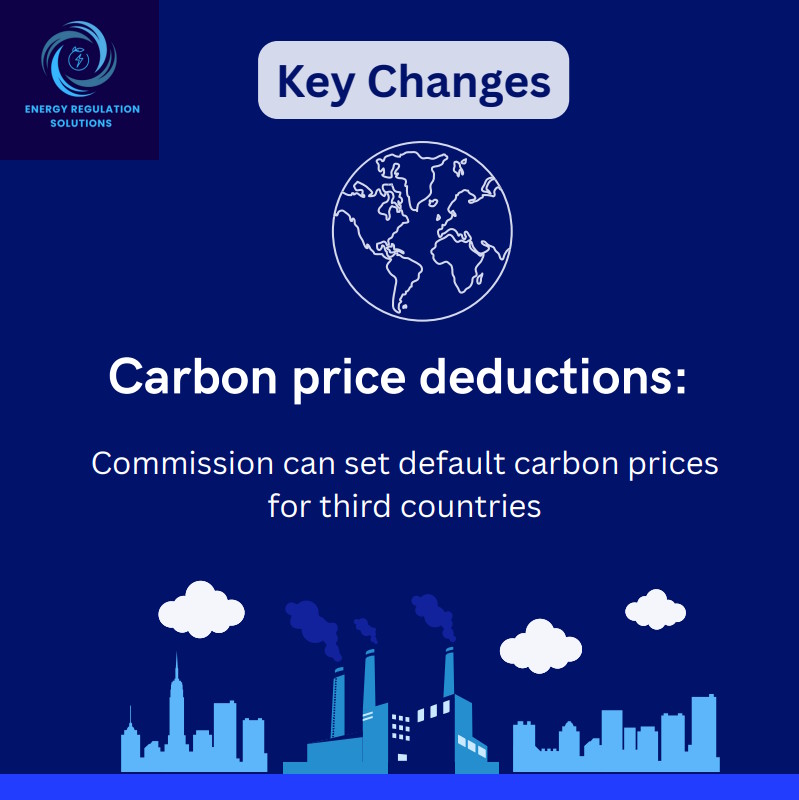
This July, the European Commission launched a public consultation on proposed revisions to CBAM. The key aims:
Extend CBAM to certain downstream products – to reduce the risk of carbon leakage when production shifts outside the EU or buyers turn to non-EU suppliers.
Strengthen anti-circumvention measures – to close gaps and ensure the financial obligations are not avoided without valid reasons.
Clarify electricity-related rules – particularly the use of default values and criteria for using actual electricity emissions.
📅 Feedback period – 01 July 2025 – 26 August 2025
✅ Main Objectives of Consultation
The consultation explores:
📌 Inclusion of selected downstream goods based on carbon leakage risk, embedded emissions, and technical feasibility.
📌 Options to reinforce anti-circumvention tools (e.g. more reporting requirements).
📌 Changes to CBAM rules for electricity – from emission factor updates to clearer criteria for PPAs and grid conditions.
☑️ What next?
A factual summary report will be available 8 weeks after the consultation closes, followed by a full synopsis report.
The latest EU report titled “Technical assistance to monitor functioning of the guarantees of origin (GO) system” provides an in-depth look at the GOs market and its impact on renewable energy and hydrogen tracking.
✅ Key Takeaways
📌 The GO market has achieved a healthy level of liquidity.
📌 While transparency has improved, price discovery remains limited. GO prices vary based on factors such as technology, region, and additionality – factors not always visible to consumers. Forecasting prices remains difficult due to elements of monopolistic competition.
📌 More than 90% of hydropower, 50% of wind, and 30% of solar electricity production in Europe is currently tracked via GOs.
📌 The GO system is effective in tracking renewable electricity, but further harmonization is needed to reduce the risk of misuse.
📌 Hydrogen
As of the end of 2023: only 0.4% of EU hydrogen production was based on water electrolysis (45 tonnes or 1.5 GWh).
An additional 9.2% (1,033 tonnes or 34 GWh) was produced as a green by-product (e.g., from chlor-alkali electrolysis).
The Hydrix index (as of January 2025) estimates green hydrogen prices in Germany at €7.80–€9.50/kg, roughly 2.5x higher than grey hydrogen (€3–€4/kg).
📌 Hydrogen GO trading volumes
RFNBO certification has only been possible since December 2024.
Until now, certified green hydrogen has only been traded via GOs or Non-Governmental Certificates (NGCs).
Assuming certification, 1,500 GOs could have been issued in 2023 for hydrogen produced via electrolysis.
While only a few EU Member States are active in the gas GO market and even fewer support EU-wide GO trading, interest in GOs is growing:
Smaller projects often opt for GOs/NGCs due to lack of RFNBO compliance.
Larger projects (many pre-FID) are preparing for RFNBO certification to benefit from offtake obligations under the compliance market.
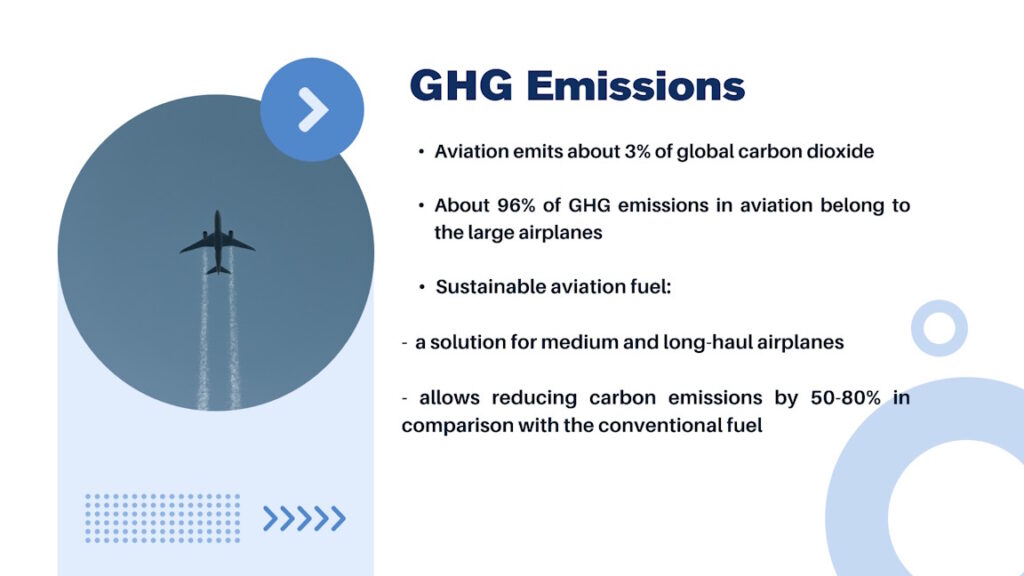
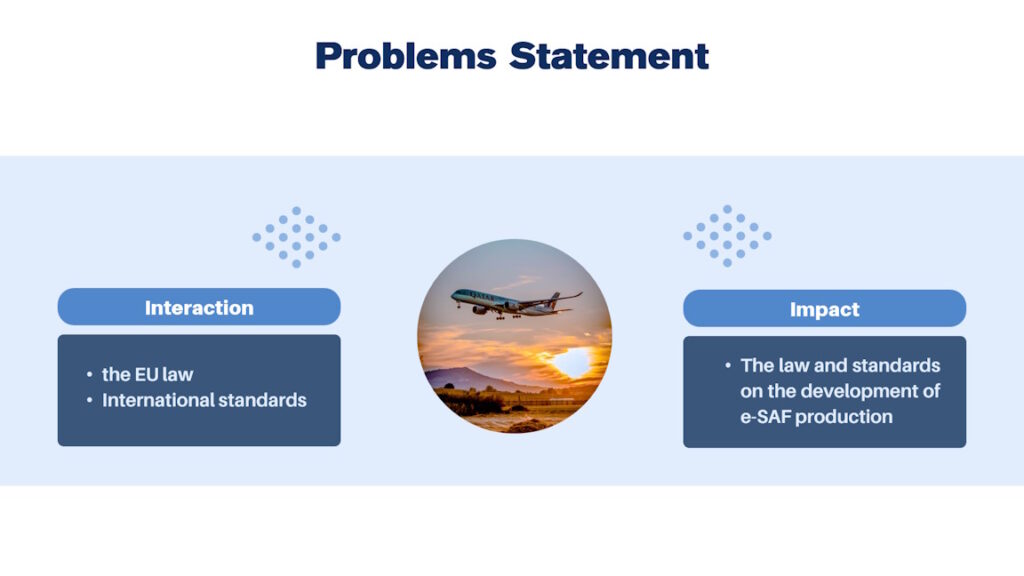
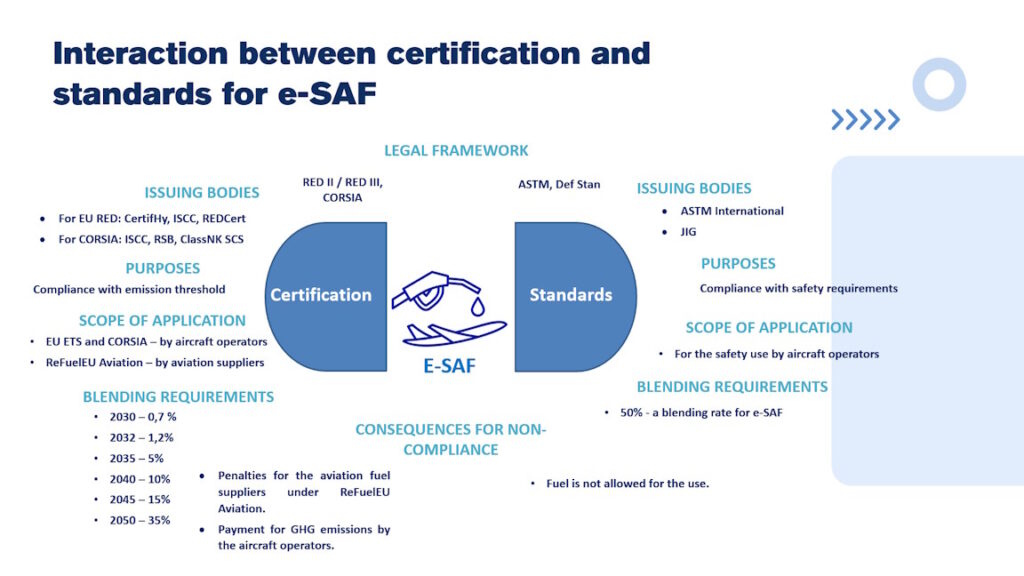
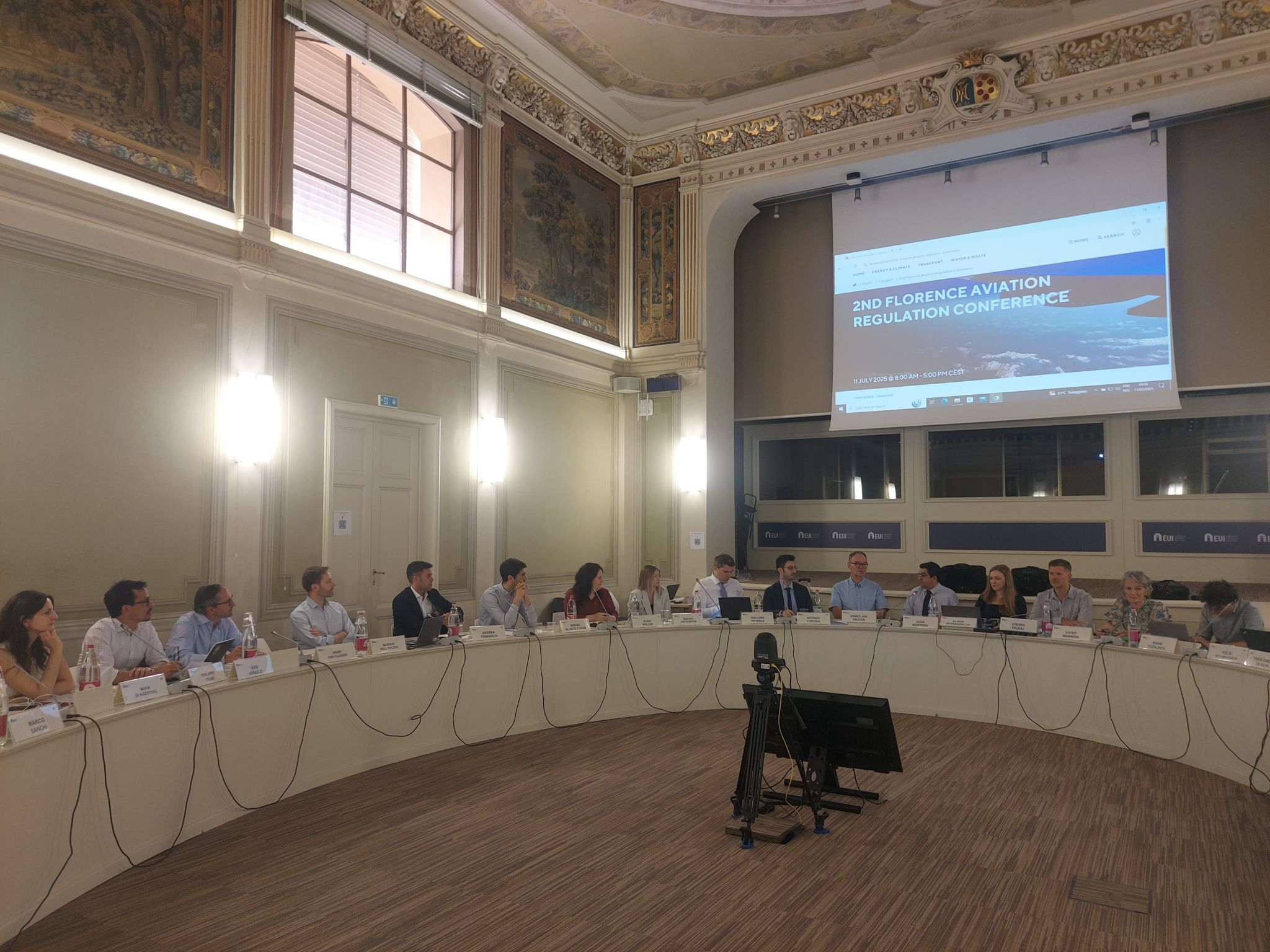
Last week, I had the opportunity to present my paper “Interaction of Certification and Standards for e-SAF Production” at a conference hosted by the Florence School of Regulation. This research is part of my broader PhD work on the interaction between law and technology in the regulation of Power-to-X (PtX) technologies.
✅ Key Points of the Presentation:
📌 General requirements
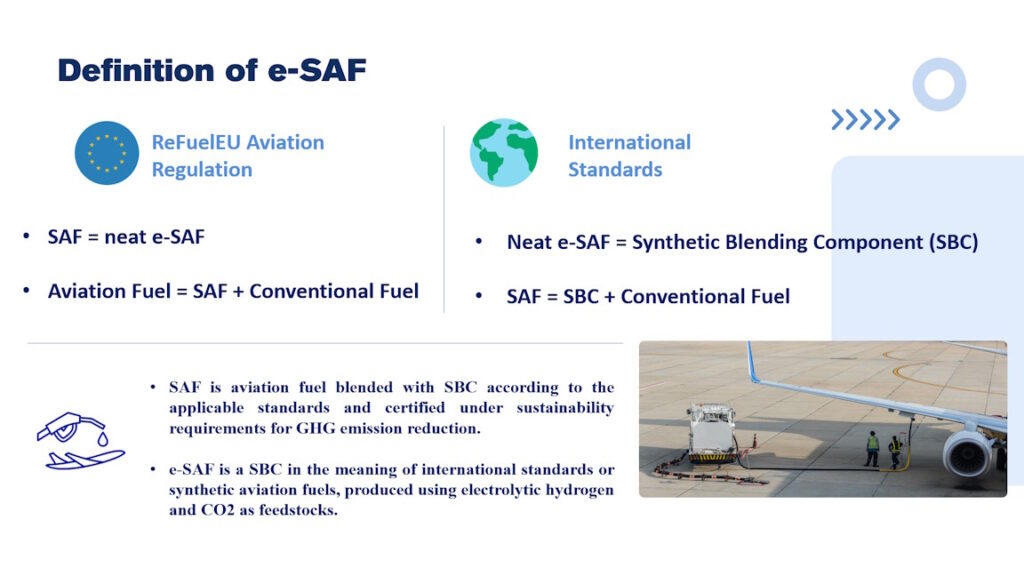
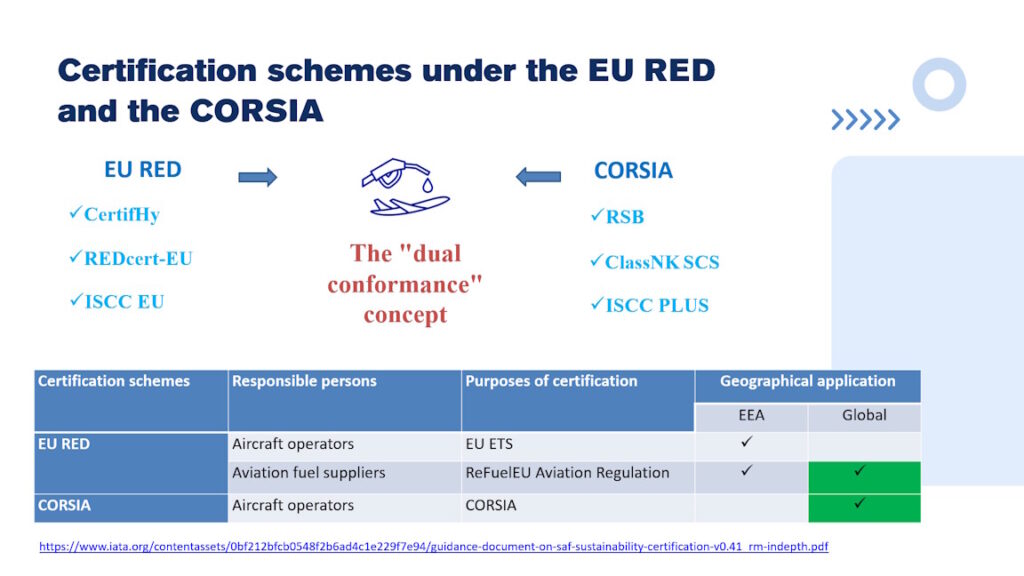
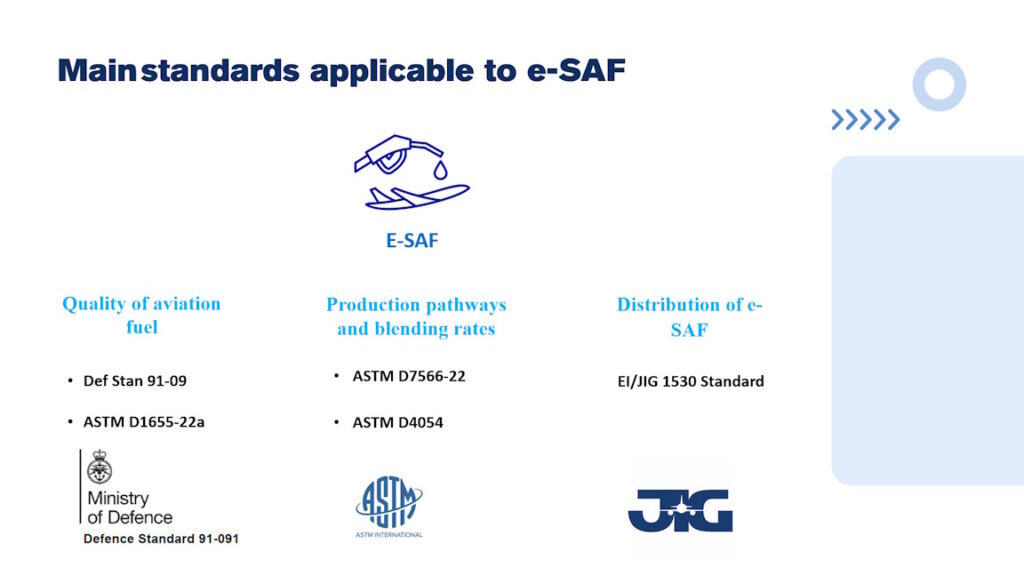
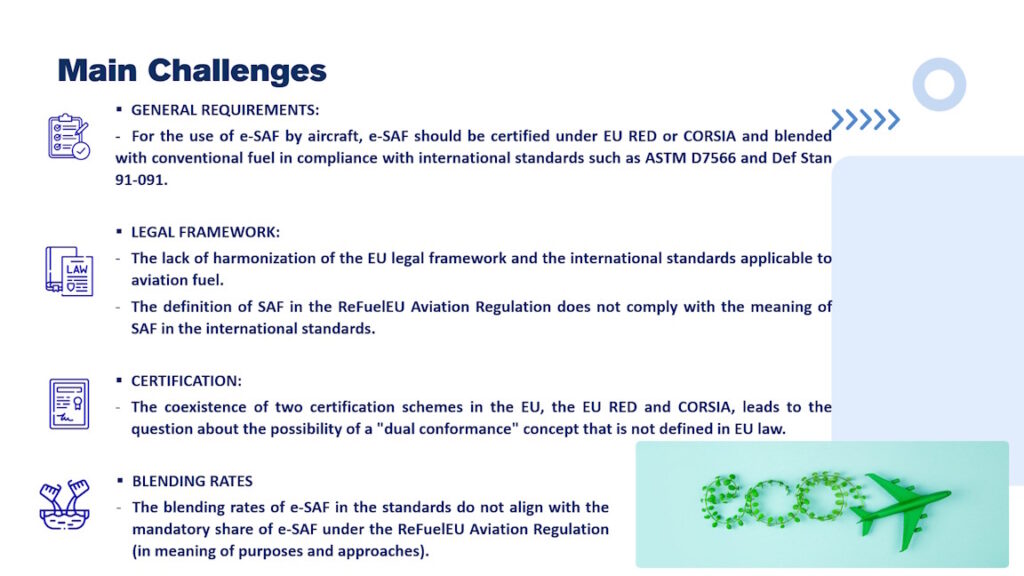
To be used in aviation, e-SAF must be certified under either the EU Renewable Energy Directive (RED) or the CORSIA scheme, and blended with conventional jet fuel in accordance with international standards such as ASTM D7566 and Def Stan 91-091.
📌 Legal Framework
There is a lack of harmonization between the EU legal framework and international aviation fuel standards.
The definition of SAF in the ReFuelEU Aviation Regulation does not align with the definition used in international standards.
📌 Certification
Particular attention should be given to the concept of “dual conformance” — i.e., a single batch of SAF being compliant with two different certification schemes (such as EU RED and CORSIA).
The coexistence of two certification schemes – EU RED and CORSIA within the EU raises questions about the feasibility of such dual conformance, a concept that is not yet defined under EU law.
☑️ Conclusion
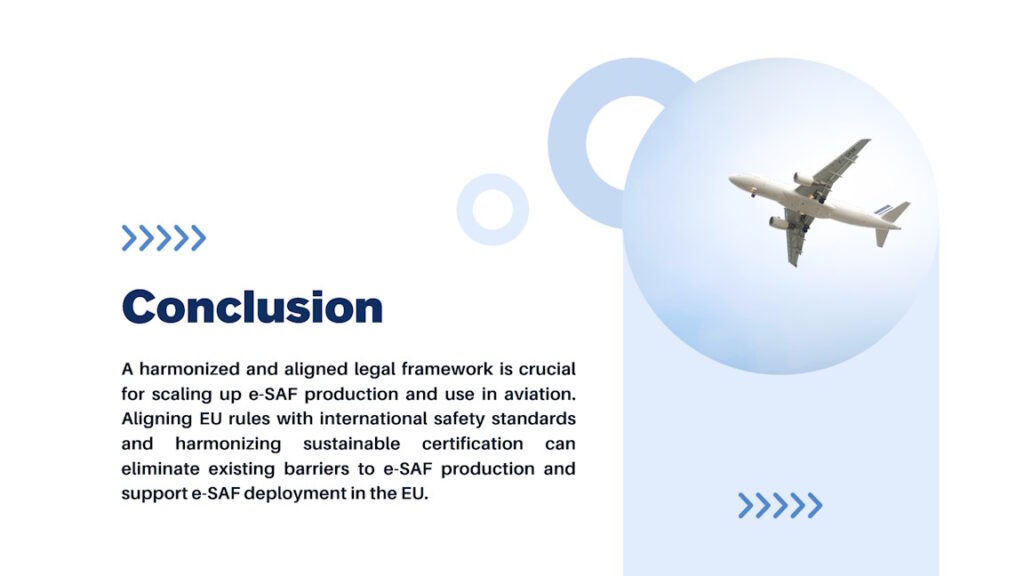
A harmonized and coherent legal framework is essential for scaling up e-SAF production and deployment in aviation.
Aligning EU regulations with international safety and sustainability standards will help remove existing regulatory barriers and support the widespread adoption of e-SAF across the EU.
It was an honor to contribute to such a high-level exchange of ideas shaping the future of aviation regulation.
I had the pleasure of presenting my paper on “Interaction of Certification and Standards for e-SAF Production”, exploring how regulatory frameworks and technical standards impact the uptake of sustainable aviation fuels in Europe.
The conference addressed a wide range of topics, including:
Interaction between CORSIA and the EU ETS
Implementation of the AI Act in aviation
Market incentives and social sustainability in the net-zero transition
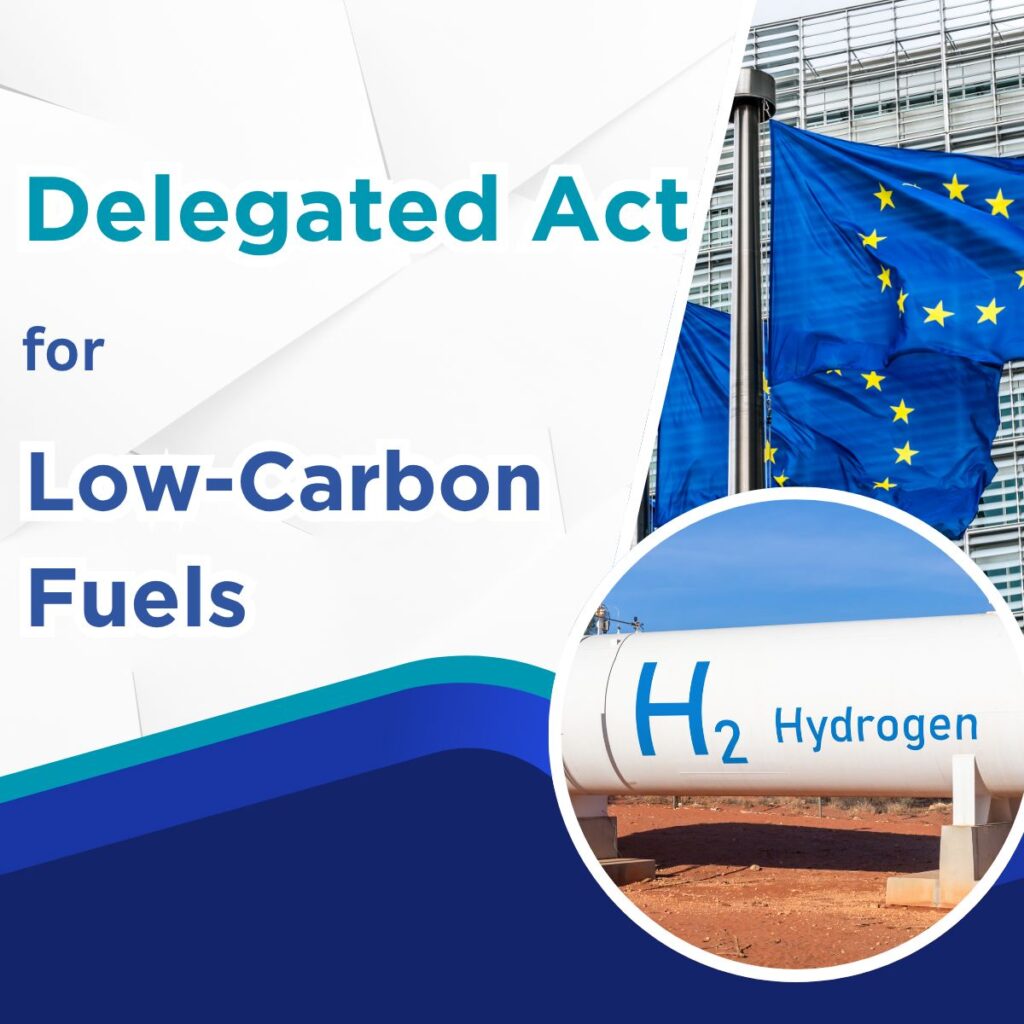
📢 New EU Regulation on Low-Carbon Hydrogen and Fuels
On 8 July 2025, the European Commission adopted a Delegated Regulation specifying the methodology for calculating GHG emissions savings from low-carbon fuels, including low-carbon hydrogen (the Delegated Act).
✅ What is this about?
The Delegated Act establishes a GHG emissions methodology for low-carbon hydrogen and fuels, as outlined in the Hydrogen and Gas Market Directive.
It complements existing rules on renewable hydrogen and RFNBOs, creating a complete EU regulatory framework for hydrogen certification.
☑️ Who does it apply to?
The Delegated Act applies to EU and non-EU producers wishing to place hydrogen on the EU market.
Certification can be achieved through Voluntary Schemes — third-party systems already in use for renewable fuels.
📅 What happens next?
The Delegated Act will now be reviewed by the European Parliament and Council, who have 2 months to accept or reject it.
This scrutiny period may be extended by an additional 2 months, if requested.
If approved, the Delegated Act will enter into force 20 days after its publication in the Official Journal of the EU.
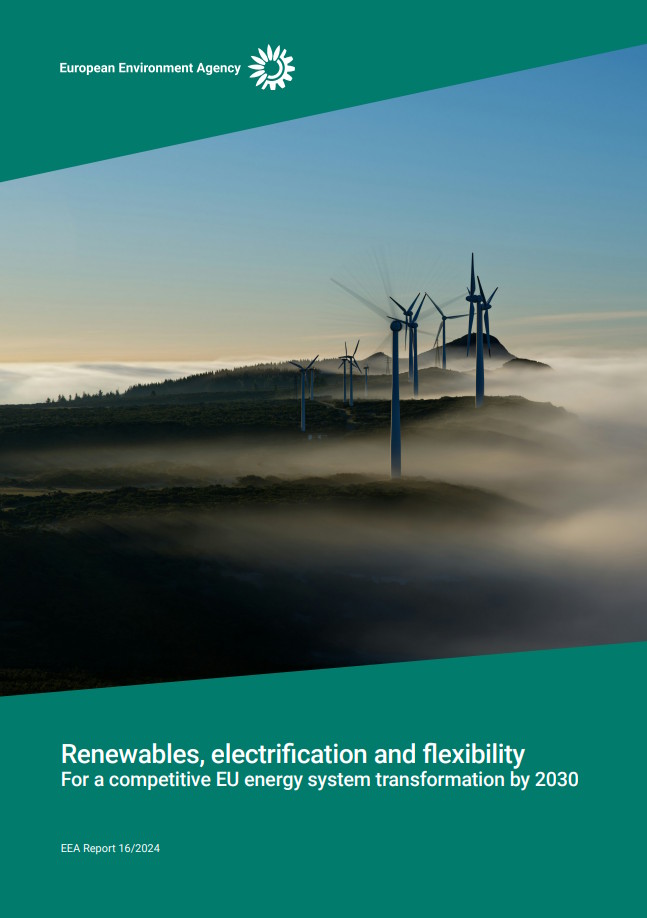
Renewables, electrification and flexibility — for a competitive EU energy system transformation by 2030
The EEA report ‘Renewables, electrification and flexibility — for a competitive EU energy system transformation by 2030’.
✅ Key Insights:
📌 The EU has made remarkable progress in cutting electricity-sector CO2 emissions over recent decades. However, decarbonising heating and transport — still dominated by gas and oil — lags behind.
📌 Scaling up domestic renewable electricity generation, together with improvements in energy and resource efficiency, can replace volatile fossil fuel imports with cleaner, lower-cost energy.
📌 If 2030 renewables and efficiency targets are met, variable electricity generation costs in the EU could fall by up to 57% compared to 2023 levels. In the long term, this means lower consumer prices, though near-term investments in grid flexibility and infrastructure will be essential.
📌 The shift to green hydrogen as an industrial feedstock will significantly increase electricity demand post-2030. By 2050, hydrogen use could rise more than tenfold compared to the end of this decade, with around 65% dedicated to industrial applications.
📌Meeting climate goals requires a rapid decline in fossil fuel use: annual oil reduction must double by 2030, while gas use must fall eightfold. This would cut the fossil energy share from 59% in 2022 to 6% by 2050.
📌 Urgent priorities include:
Unlocking capital to expand renewable capacity to 77% of total installed capacity by 2030.
Doubling system flexibility through smart grids, storage, and demand response.
Strengthening EU-wide coordination to balance regional disparities and improve resilience.
📢 On 25 June 2025, the European Commission adopted the Clean Industrial Solutions and Aid Framework (CISAF) — a major step to align State aid rules with the goals of the Clean Industrial Deal.
This new framework provides targeted support for low-carbon fuels, including low-carbon hydrogen, RFNBOs, and synthetic fuels, through structured investment aid schemes.
🔹 What’s new for hydrogen and e-fuels?
The European Commission will consider compatible with the internal market aid measures to support:
investments for the production of low-carbon fuels
investments for the production of RFNBOs
investments in storage for low-carbon fuels that store exclusively low-carbon fuels, or a mix of low-carbon fuels and RFNBOs.
🔹 Key conditions:
30% of budgets must be reserved for RFNBOs
GHG reduction threshold of 70% for low-carbon fuels
Aid applies only to new capacity
Schemes must remain open, non-discriminatory, and compliant with the ‘Do No Significant Harm’ principle.
✅ This is a promising signal for project developers and industrial actors across Europe. The CISAF framework may play a critical role in de-risking early investments in the hydrogen economy and scaling up low-carbon fuel production.