Hydrogen Acceleration Act
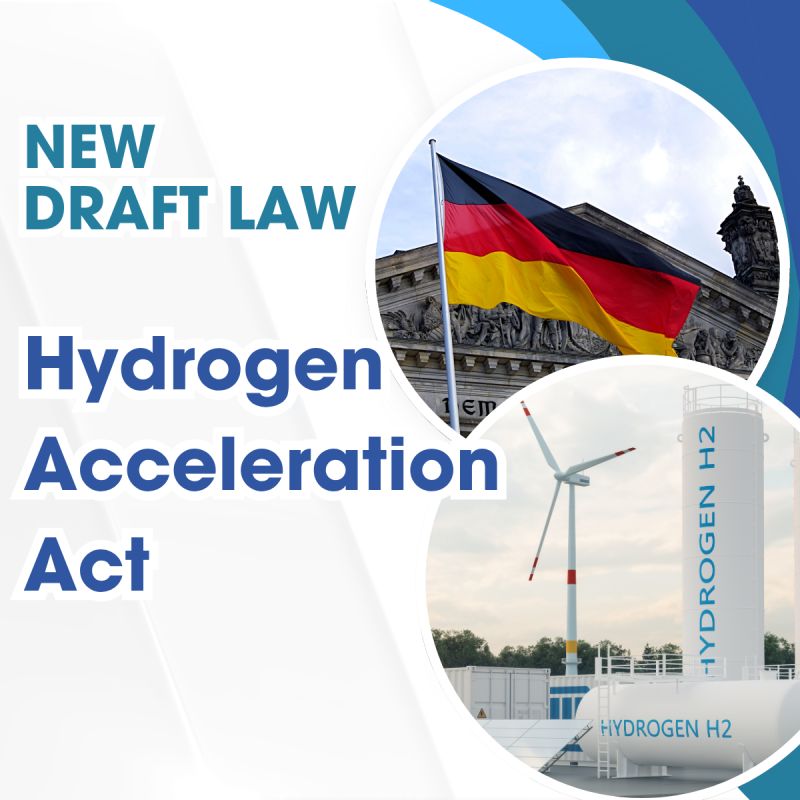
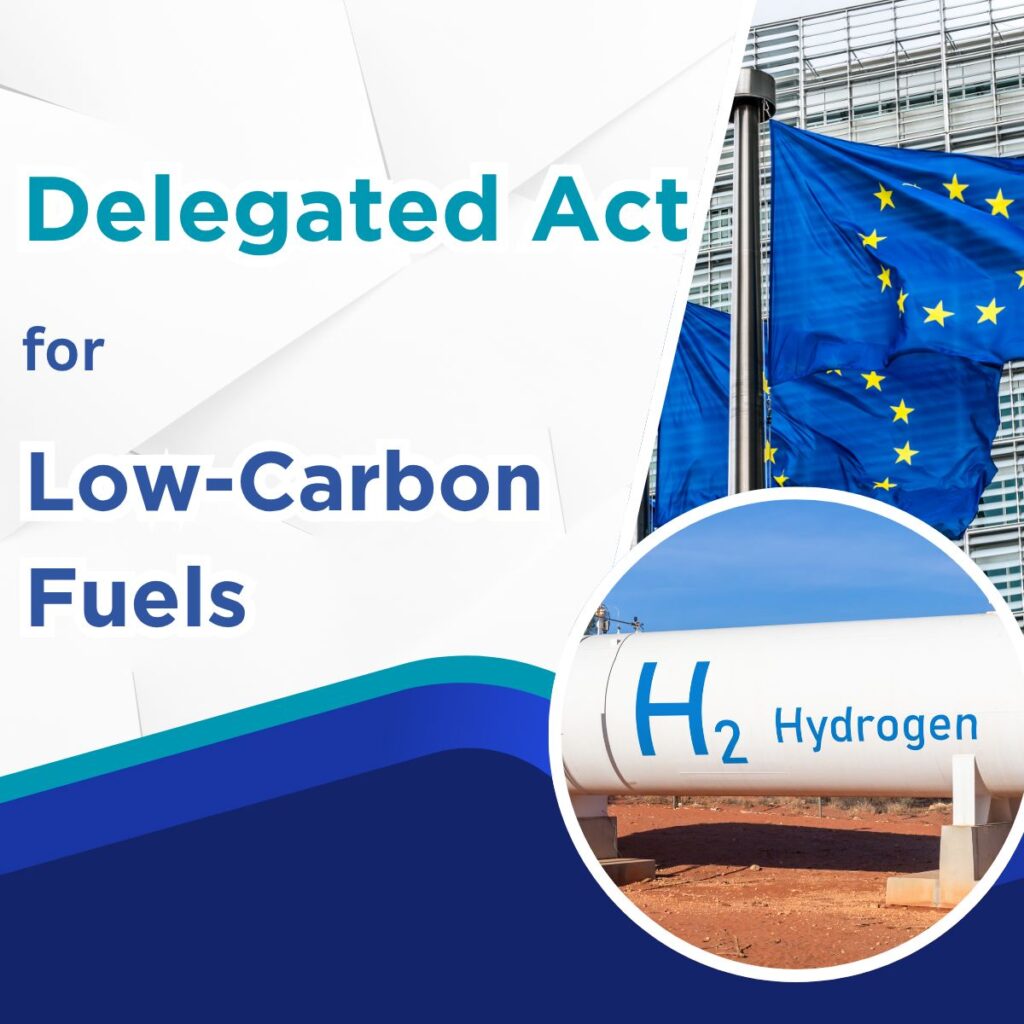
Last week, the Federal Ministry for Economic Affairs and Energy (BMWK) presented the Draft Law for a new Hydrogen Acceleration Act (Wasserstoffbeschleunigungsgesetz).
📄 The Draft Law is available via this link.
✅ Key Points:
📌 Broader Scope Beyond Green Hydrogen
- Unlike previous strategies focused solely on green hydrogen, the new Draft Law grants equal treatment to both green and blue hydrogen.
- Projects producing blue H2 from natural gas with carbon capture and storage (CCS) may now benefit from acceleration measures.
📌 Support Across the Entire Hydrogen Value Chain
The Act aims to fast-track:
- Electrolyser deployment
- Hydrogen imports and derivatives (e.g., ammonia, methanol)
- PtX plants for e-fuel production
- Hydrogen storage and transport infrastructure
📌 Natural Hydrogen Recognition
- Natural hydrogen will be classified as a non-mineable mineral resource under the Federal Mining Act (Bundesberggesetz).
- This change simplifies project development by removing the need for contracts with landowners—similar to how resources like coal or natural gas are handled.
📌 Accelerated Permitting
- No public hearing (Erörterungstermin) will take place during the approval process.
- A planning approval decision (Planfeststellungsbeschluss) must be issued within 12 months.
- A planning permit (Plangenehmigung) must be granted within 7 months.
📅 Consultation Period:
- The BMWK is accepting feedback from federal states and industry associations until 28 July 2025.